The challenge
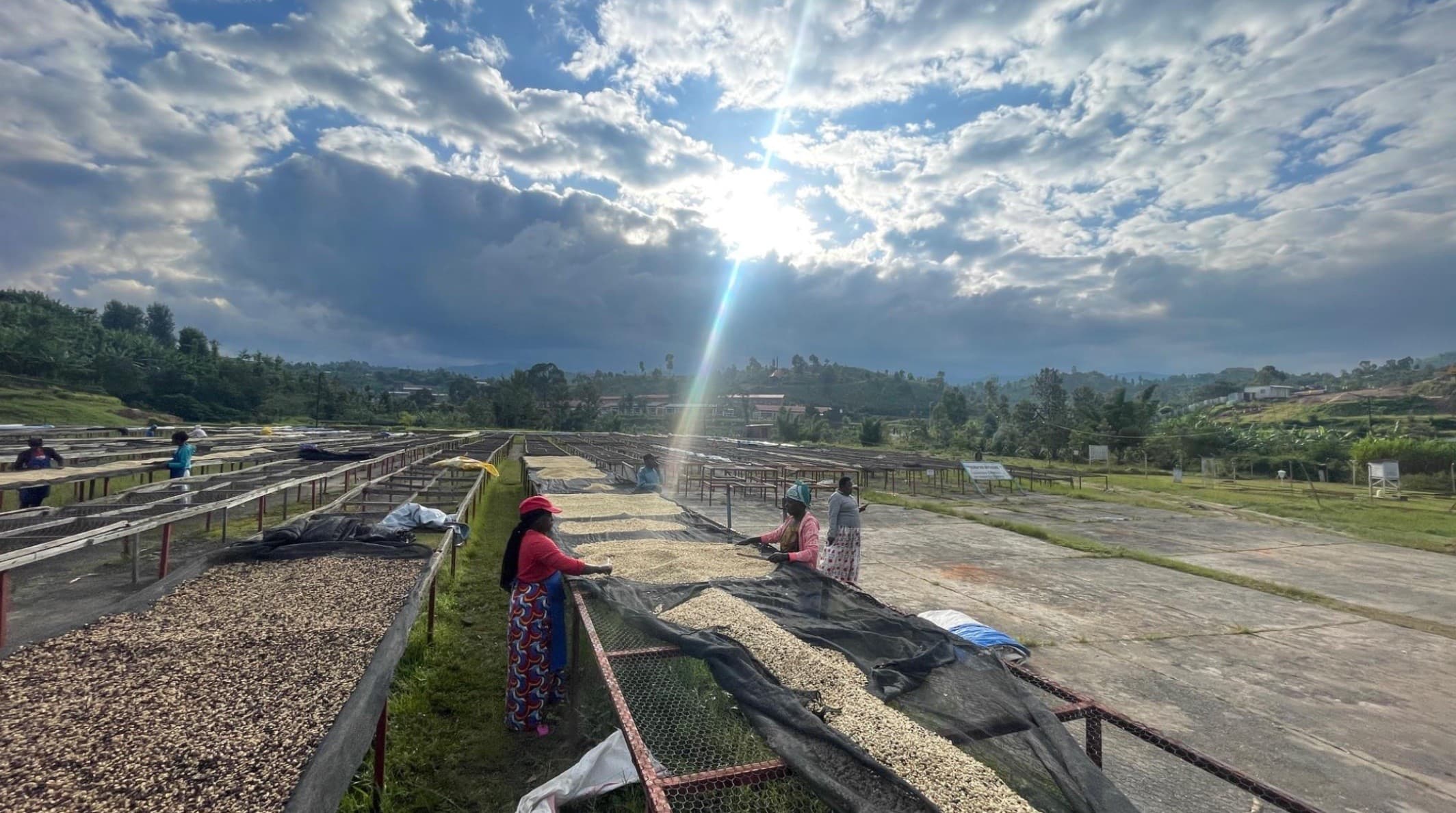
Cherry leaves a smallholder farm, passes three facilities and one paper-based handover chain, and ships to an international buyer — with almost nothing about that journey verifiable downstream. Buyers cannot certify provenance, cooperatives cannot prove quality, farmers cannot access credit on their trade history, and the regulator has no real-time view of inventory. With the EU Digital Product Passport on track for 2030, traceability is becoming a licence to trade rather than a marketing layer.
The pilot
IFAD commissioned TRACE as a proof of concept for blockchain-linked traceability in agricultural supply chains, with Rwanda's National Agricultural Export Development Board as regulator and the Kopakaki Dutegure Cooperative as field operator. The pilot tracked coffee from Karongi farms through the Kopakaki washing station and Kopakama dry mill to the NAEB warehouse in Kigali, against eight deliverables written into the terms of reference.
The approach
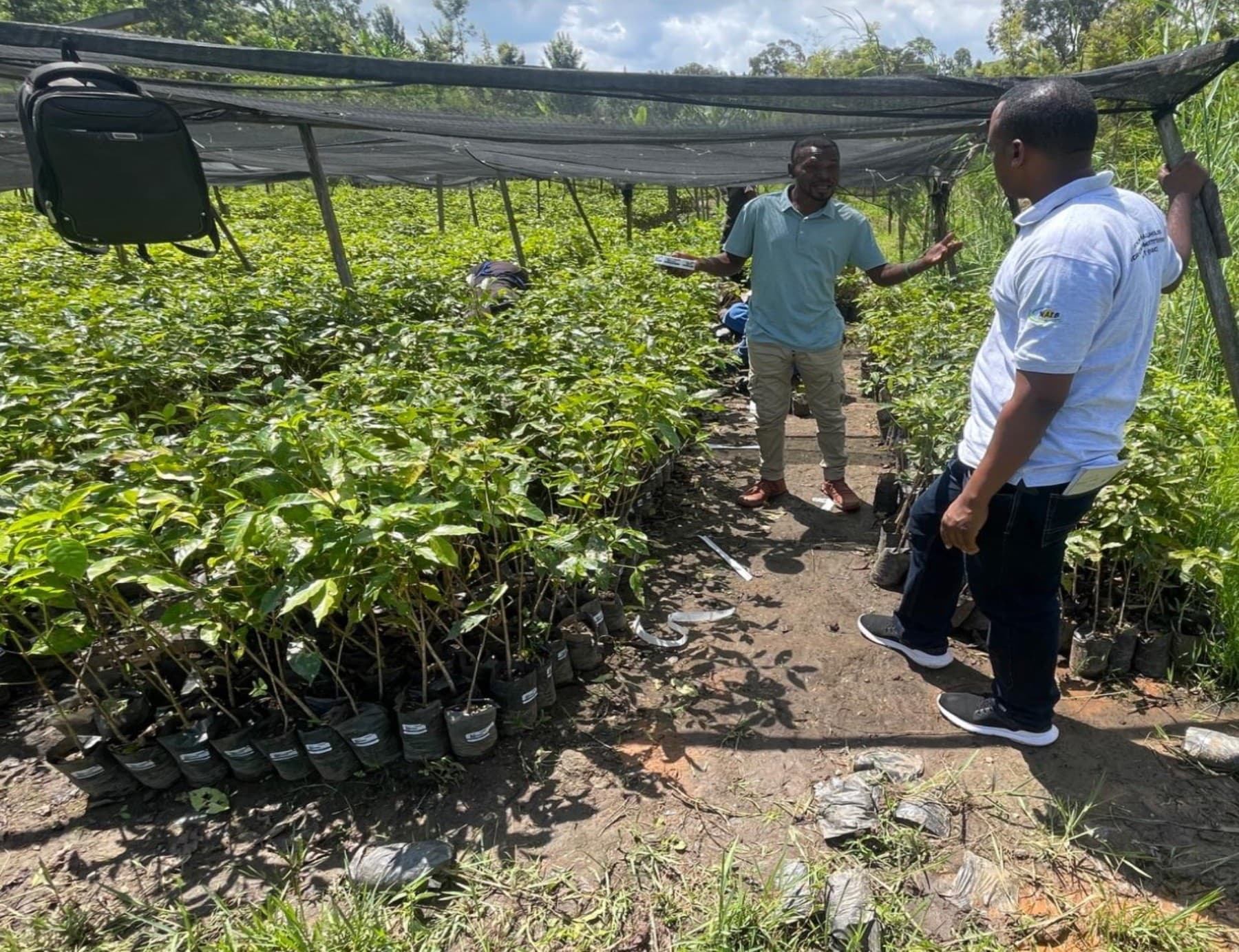
ChekTrace modelled the cooperative's real-world supply chain as a digital twin — every facility, handover and actor. Export bags were tagged with GS1-standard QR codes printed on site, scanned at every facility through an in-browser scanner app that needed no install or hardware, and bound to a solar-charged GPS sensor for the 126 km road journey to Kigali. Every state change — commissioning, aggregation, verification, tracking, export — was written to the Cardano blockchain as an immutable audit trail. Farmers, most without smartphones, were reached through scratch-off labels on bio-fertiliser and seedlings and a Kinyarwanda USSD line for authentication and short surveys.
The results
Inventory accuracy rose from roughly 70% to 95%. Information moved about ten times faster than with manual documentation, and scannable provenance cut market-diversion risk by an estimated 99%. Thirty-two bags were tagged and 24 aggregated into a single export container, 230 farmer survey responses were captured over USSD, and the shipment left Rwanda with a digital product passport. The pilot also drew an honest map of what it will take to operate traceability at national scale.
This is a summary.
The full case study — including the detailed data, analysis and recommendations — is available on request.